1. Listen and prepare
The crew leader asks about the site, the people nearby and any concerns about privacy. Gear and containers are packed to match what the owner describes.
University, Denver, CO · Denver County
Found unlabeled jugs, drums or old products in University? Do not open or move them. Call (877) 812-4220. Crews sort the containers, remove hazardous waste and clean the surfaces they touched.
If anyone is in danger, call 911 first. For a suicide crisis, call or text 988.
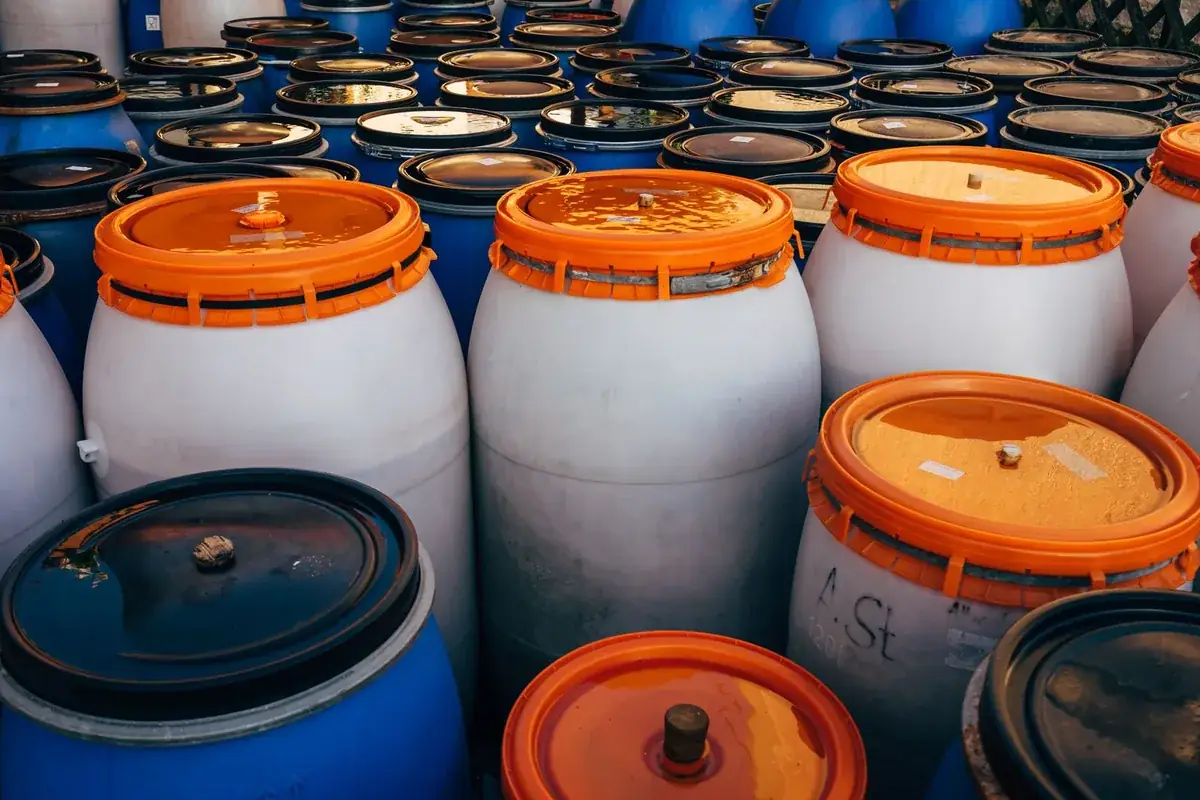
A chemical hazard is a substance that can burn, poison, explode or damage health. Chemical cleanup removes that hazard from the place where people live or work, then decontaminates the area.
For toxic waste cleanup in University, get the crew, the protective equipment and the containers in one call to University Biohazard Cleanup Help. You get discretion, clear communication and a site that is safe again.
University is fairly dry, at about 15 inches of precipitation a year, so a chemical spill on soil may linger in place until it is removed. With vacancy at about 7% of homes in Denver, chemical problems are usually found quickly by residents or neighbors.
A typical chemical & toxic waste cleanup job includes:
The crew leader asks about the site, the people nearby and any concerns about privacy. Gear and containers are packed to match what the owner describes.
The crew looks at how far the spill spread and what it touched. It notes drains, soil, porous materials and anything that needs to be kept away from the area.
Hazardous material, empty containers and soaked items go into sealed drums or bags. Hard surfaces are cleaned, and porous materials that soaked up the substance are removed.
Waste is hauled and the owner receives a list of what was removed. The team explains what to keep for insurers, buyers or inspectors.
The cost of chemical & toxic waste cleanup in University, Denver, CO depends on the amount of material, how it is packed and how it is hauled.
Hauling and packaging count too. Drums, labels, secondary containers and transport are part of lawful waste handling and are priced into the job.
| Type of job | Typical range |
|---|---|
| Hazardous chemicals | $30 - $50 per barrel |
Published ranges only (Fixr); every chemical & toxic waste cleanup job in University is priced after an on-site look. Price drivers include type of chemical, amount, packaging and transport, disposal fees. Questions? Call (877) 812-4220.
Some products release toxic gas when combined. Bleach and ammonia are a well-known example. Never mix products to clean a spill, and leave the area if you smell fumes.
The person or business that caused a spill is often responsible, and owners usually carry the cost on their own property. In a rental, the lease and local law decide. Some teams offer payment plans.
Yes. Many calls come from managers who find drums, jugs or unlabeled containers in a vacated unit. The lease and local law decide who pays, and the crew can provide photos and records.
Usually yes. Crews arrive in unmarked vehicles, work quietly and keep the job private. Tell the team at the start if discretion matters, and it will plan around that.
Old or leaking products are a risk. Heat, humidity and age can damage containers, and fumes can build up. If containers are leaking, damaged or unlabeled, have a cleanup team remove them.
Many jobs take part of a day to a few days. A small spill may be quick. A large release, a soaked site or many unknown containers take longer, and waste pickup can add time. A local team can give a better estimate after seeing the site.
See all biohazard cleanup services in University, Denver, CO →
Describe what you see by phone and the team explains the next safe step.
Call (877) 812-4220