1. Find the full extent
Fluids travel farther than they look. The team checks under furniture, along baseboards and in the subfloor to learn how deep the problem goes.
University, Denver, CO · Denver County
Something unsafe was left behind at a University property and nobody knows where to start. Call (877) 812-4220. Biohazard cleanup covers blood, sewage, sharps, odor removal and disinfection.
If anyone is in danger, call 911 first. For a suicide crisis, call or text 988.
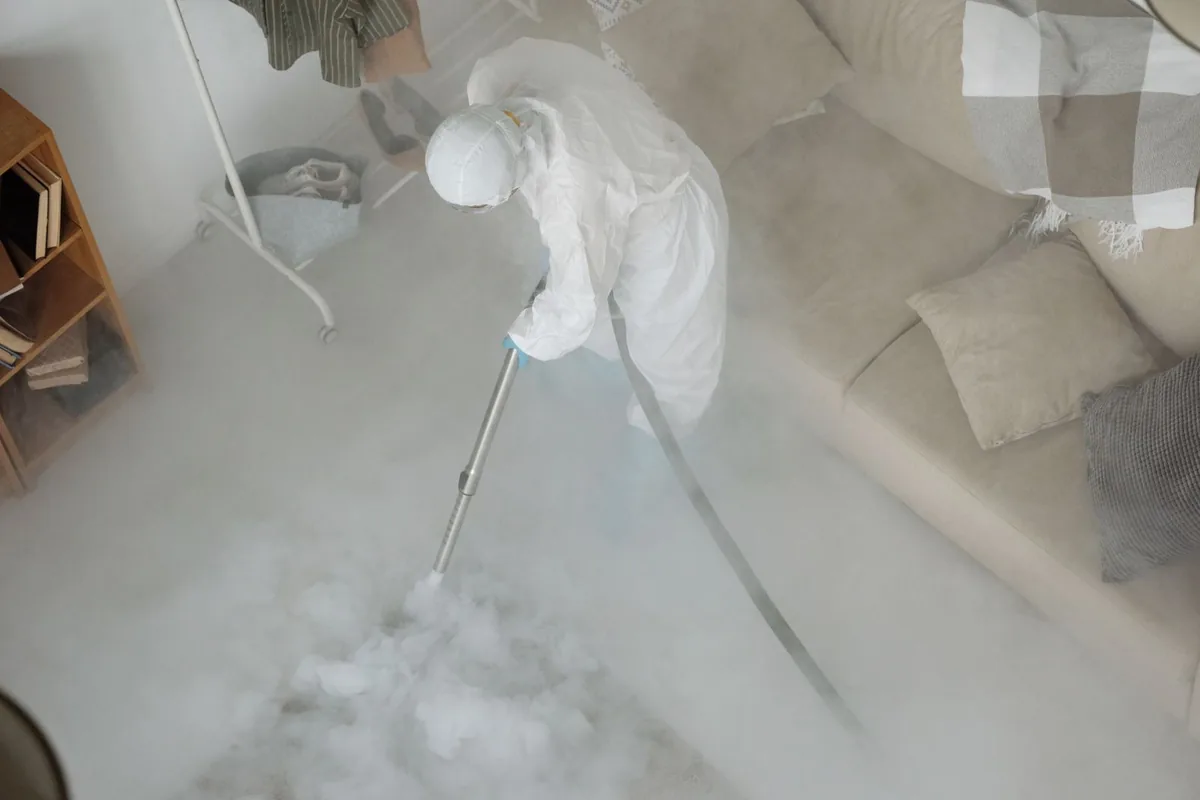
Trauma cleanup, death cleanup and sewage cleanup all fall under the heading of biohazard cleanup. Each one deals with contaminated materials that need special handling, disinfectants and waste disposal.
After a crime scene, unattended death, sewage backup or similar event in University, you can call University Biohazard Cleanup Help for biohazard removal. The crews stay until the affected area is disinfected and the waste is gone, anywhere in Denver County.
About 39% of older adults in Denver live alone, and a death at home can go unnoticed for days, which is when biohazard cleanup becomes urgent. Many Denver homes are rentals, around 51% of households, and the lease decides who pays when biohazard cleaning is needed.
A typical biohazard cleanup job includes:
Fluids travel farther than they look. The team checks under furniture, along baseboards and in the subfloor to learn how deep the problem goes.
The team arrives in an unmarked vehicle and works quietly. Protective gear goes on at the door and the work area is isolated right away.
Visible material is picked up first. Soaked carpet, padding and other porous items are cut out, sealed and set aside, and the remaining surfaces are scrubbed.
Disinfection and odor control come last. The crew walks through the finished area with the owner and answers any questions about what was done.
Biohazard cleanup in University, Denver, CO typically costs $1,500 to $25,000, depending on the size of the affected area and the materials involved.
Insurance can offset the cost. Many homeowners and renters policies cover biohazard cleanup after a covered event, so it helps to call the insurer before work begins and keep every receipt.
| Type of job | Typical range |
|---|---|
| Residential average range | $1,800 - $4,500 |
| Typical national range | $3,000 - $5,000 |
| Most residential projects | $2,500 - $8,000 |
| Full published span | $1,500 - $25,000+ |
These ranges come from published cost guides (Fixr, Yelp Costs, Biohazard cleanup cost guide from a biohazard cleanup company) and are not a quote for University. Price drivers include type of contamination, size of the affected area, how far fluids soaked into porous materials, waste handling and disposal. For a real number, call (877) 812-4220.
Yes, when the source is removed. Odors from decomposition, sewage or fluids live in porous materials and subfloors, so crews take those out and treat the air. Air fresheners only cover a smell for a short time.
The OSHA Bloodborne Pathogens Standard, 29 CFR 1910.1030, protects workers who may contact blood or other infectious material. Professional crews follow its rules on PPE, handling and waste. Employers have their own duties, and safety staff can explain them.
Yes. Dried blood can still carry bloodborne pathogens, and scraping or sweeping it can put particles in the air. Leave it alone, keep people away and have a cleanup team treat it with protective gear.
A biohazard is any biological material that can make people sick. Common examples are blood, bodily fluids, human waste, sewage, needles, decomposing remains and some animal waste. If you are unsure, stay out of the area and ask a cleanup team.
It can be. Bloodborne pathogens, sharps and airborne particles pose real risks, and a mistake can spread contamination through a home. Professional crews use gear, containment and procedures built for the job.
Often, yes. Many homeowners policies cover crime or death cleanup after the deductible, though some exclude certain causes. Renters policies may cover cleanup of belongings but not the building. Call the insurer before work starts, take photos and keep every receipt.
See all biohazard cleanup services in University, Denver, CO →
Ask what the cleanup involves before anyone sets foot on your property.
Call (877) 812-4220